
Cape Tribulation & the Daintree Rainforest: Ultimate Travel Guide
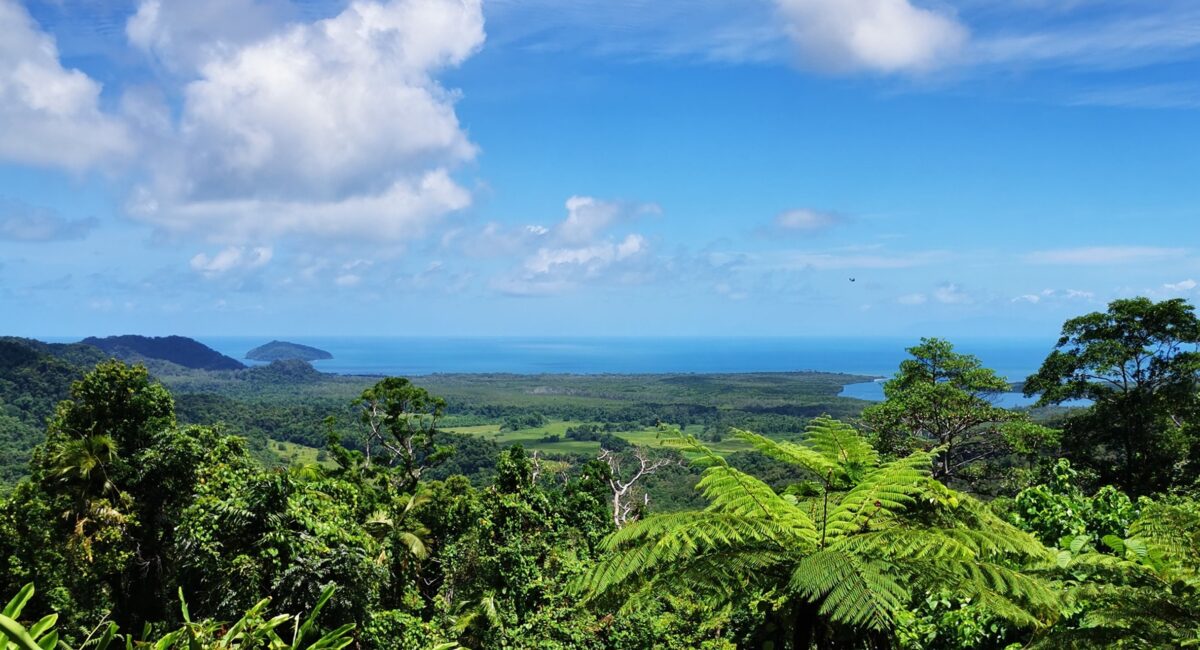
Located in Far North Queensland, Australia, Cape Tribulation & the Daintree Rainforest represent one of the most extraordinary natural landscapes on the planet. Known for their unique combination of lush tropical rainforest and pristine coastline, these destinations offer an unparalleled experience for travelers seeking adventure, relaxation, and immersion in nature. The Daintree Rainforest is among the oldest rainforests in the world, and Cape Tribulation is one of the rare places where the rainforest meets the Great Barrier Reef, creating a stunning ecological intersection that has fascinated scientists, explorers, and tourists alike.
Whether you are a wildlife enthusiast, an eco-tourist, or someone simply looking to reconnect with nature, Cape Tribulation & the Daintree Rainforest provide endless opportunities to explore, learn, and unwind. This guide will cover everything you need to know about visiting, exploring, and appreciating this remarkable part of Australia.
Overview of the Daintree Rainforest
The Daintree Rainforest is a UNESCO World Heritage-listed site and covers roughly 1,200 square kilometers of ancient tropical rainforest in Queensland. Estimated to be over 180 million years old, it is one of the most ancient rainforests in existence, predating even the Amazon Rainforest. The region is home to a staggering diversity of flora and fauna, with species found here that are not present anywhere else on Earth.
The Daintree is renowned for its layered canopy, towering ancient trees, and a complex ecosystem that supports everything from small insects to large mammals. The rainforest plays a crucial role in maintaining ecological balance and has become a hub for scientific research, conservation, and eco-tourism. Visiting the Daintree offers not just breathtaking scenery, but also an insight into one of the world’s most fragile and vital ecosystems.
Cape Tribulation: The Heart of the Rainforest
Cape Tribulation sits at the northern edge of the Daintree Rainforest and is one of the few places where the rainforest directly meets the reef. This rare phenomenon creates a dynamic environment where land and sea interact in spectacular ways. Cape Tribulation is famous for its dramatic coastline, ancient mangroves, winding rivers, and dense rainforest that extends right to the beach.
History and Discovery
The area holds significant cultural importance for the local Kuku Yalanji Aboriginal people, who have lived in and around the rainforest for thousands of years. The rainforest provided food, shelter, and medicinal resources for Indigenous communities, who developed an intricate understanding of the ecosystem. European explorers arrived in the 18th century, and Cape Tribulation was so named by Lieutenant James Cook in 1770 after his ship ran aground on nearby reefs.
Unique Landscape Features
Cape Tribulation is characterized by its striking blend of tropical rainforest and pristine beaches. Mangrove forests line the riverbanks, while mountain ranges rise in the backdrop, creating a visually stunning landscape. The coastline features both secluded coves and expansive beaches, many of which are ideal for swimming, photography, and eco-tourism activities. The convergence of reef and rainforest makes this area a hotspot for biodiversity, offering visitors a chance to see marine and terrestrial life in close proximity.
Flora of the Daintree Rainforest
The Daintree Rainforest boasts some of the oldest and most diverse plant species in the world. Iconic trees such as the ancient kauri pines and giant fan palms dominate the canopy, while the understory is filled with ferns, orchids, and vines that create a lush green carpet. Medicinal plants, tropical fruit trees, and flowering shrubs are abundant, attracting birds, insects, and other wildlife.
The layered vegetation structure supports unique ecological functions, including soil enrichment, water retention, and habitat creation for animals. Walking through the Daintree, visitors can observe the intricate relationships between plants and animals, understanding how this rainforest has maintained its balance for millions of years.
Fauna of the Daintree Rainforest
The Daintree Rainforest is home to more than 430 species of wildlife. This includes over 90 mammals, 120 reptiles, and more than 370 species of birds. Unique species include the endangered cassowary, tree kangaroos, and Boyd’s forest dragon. Freshwater rivers and streams harbor turtles, fish, and freshwater crocodiles.
The diversity is not limited to large animals; the Daintree is also rich in insects, amphibians, and unique invertebrates, many of which are endemic. Guided tours and wildlife safaris are excellent ways to spot rare species while learning about their habitats and conservation needs.
Top Activities in Cape Tribulation & Daintree
Whether you enjoy adventure, wildlife, or relaxation, the region offers countless activities tailored to every interest.
Guided Rainforest Walks and Hiking Trails
Guided walks offer an immersive experience into the rainforest, providing insights into the flora, fauna, and history of the Daintree. Popular trails include the Dubuji Boardwalk and Marrdja Botanical Walk, which offer accessible paths through dense rainforest, allowing visitors to appreciate both the canopy and the forest floor. Hiking enthusiasts can explore longer trails, where elevation changes provide spectacular lookout points over the forest and coastline.
Wildlife Watching Tours
Early morning or late afternoon wildlife tours maximize the chance of spotting elusive species like cassowaries or tree kangaroos. Experienced guides share valuable knowledge about animal behavior, ecological relationships, and conservation efforts. Photography tours are also popular, allowing visitors to capture rare wildlife in its natural habitat.
Beach Activities and Snorkeling
Cape Tribulation’s beaches offer stunning opportunities for swimming, sunbathing, and snorkeling. The reef lies just offshore, teeming with colorful corals, tropical fish, and other marine life. Guided snorkeling tours ensure both safety and environmental protection, giving visitors an unforgettable marine experience.
Kayaking and River Adventures
The nearby Mossman River provides a serene setting for kayaking and river tours. Visitors can paddle through mangrove-lined waterways, spotting crocodiles, birds, and other wildlife. Eco-friendly guided tours are recommended to ensure the protection of sensitive habitats while enjoying the adventure.
Accommodation Options
Cape Tribulation and the Daintree offer a range of accommodation options to suit all budgets. Eco-lodges and resorts provide comfort while emphasizing sustainability, often using solar power and local materials. Camping sites allow a more immersive experience in nature, with basic facilities for those seeking adventure. Booking ahead, especially during peak seasons, ensures availability and allows visitors to select the ideal location for their experience.
Best Times to Visit
The region experiences a tropical climate, with warm, humid conditions year-round. The dry season, from May to October, is ideal for hiking, wildlife spotting, and outdoor activities, while the wet season, from November to April, brings lush greenery and spectacular waterfalls but may restrict some outdoor activities. Planning visits around weather patterns and wildlife activity enhances the overall experience.
Accessibility and Transportation
Most visitors reach Cape Tribulation by car via the Captain Cook Highway from Cairns. Four-wheel-drive vehicles are recommended for certain routes, especially during the wet season. Public transport options are limited, so guided tours and private transportation are popular. Accessibility improvements, such as boardwalks and ramps, ensure that visitors of varying mobility levels can explore parts of the rainforest safely.
Sustainability and Conservation Efforts
Conservation is central to the management of Cape Tribulation & the Daintree Rainforest. Programs focus on preserving biodiversity, controlling invasive species, and engaging local communities in eco-tourism. Visitors are encouraged to follow sustainable practices, such as limiting waste, staying on designated trails, and supporting eco-certified businesses. These measures ensure that the rainforest remains healthy and vibrant for generations to come.
Local Culture and Indigenous Heritage
The Kuku Yalanji people have inhabited this region for thousands of years. Cultural tours offer insights into traditional practices, bush medicine, and stories about the rainforest. Engaging with Indigenous communities enriches the visitor experience, providing both historical context and an appreciation for their ongoing stewardship of the land.
Events and Festivals
Cape Tribulation and the Daintree host various events, including guided ecological tours, seasonal wildlife programs, and cultural festivals. These events offer visitors a unique opportunity to participate in local traditions and learn more about the rainforest ecosystem.
Nearby Attractions and Day Trips
Beyond Cape Tribulation, visitors can explore Mossman Gorge, the Daintree Discovery Centre, and other rainforest trails. The surrounding area offers breathtaking lookouts, river tours, and opportunities for eco-tourism that complement the Cape Tribulation experience.
Frequently Asked Questions (FAQs)
1. Is it safe to swim at Cape Tribulation beaches?
Yes, but visitors should follow local safety guidelines due to the presence of crocodiles and jellyfish in some areas. Swim in designated safe zones.
2. Are guided tours necessary in the Daintree Rainforest?
While not required, guided tours provide educational insights and increase chances of spotting wildlife.
3. Can I camp in the Daintree Rainforest?
Yes, several campsites are available, including eco-campsites with basic facilities.
4. What is the best season to visit?
The dry season (May to October) is optimal for hiking, wildlife spotting, and outdoor activities.
5. Are there any restrictions for visiting Cape Tribulation?
Visitors must follow local environmental guidelines, including staying on trails and avoiding wildlife disturbance.
6. How do I reach Cape Tribulation from Cairns?
The fastest route is by car via the Captain Cook Highway, approximately a 2-3 hour drive. Guided tours also provide convenient transportation.
Cape Tribulation & the Daintree Rainforest are true treasures of Australia, offering a rare blend of ancient rainforest, pristine beaches, and diverse wildlife. From hiking lush trails and kayaking along serene rivers to snorkeling on the reef and experiencing Indigenous culture, this region promises adventure, learning, and relaxation for all visitors. By practicing sustainable tourism and respecting the environment, we can ensure that Cape Tribulation & the Daintree Rainforest remain a pristine natural haven for generations to come.
Visiting Cape Tribulation & the Daintree Rainforest is not just a trip—it’s an unforgettable journey into one of the most biodiverse and breathtaking regions on Earth. Plan your visit carefully, embrace the beauty and complexity of the rainforest, and prepare to be amazed by the wonder of this unique destination.
For updated visitor information and eco-tourism guidelines, check the Queensland Tourism official site.
Leave a Comment